There are more than 150 million orphans worldwide. But here’s the truth most people don’t want to face: orphans don’t need pity, and they don’t need our temporary feel-good gestures. They need consistent, realistic, long-term support that actually changes their lives.
Too often, people confuse emotional charity with real solutions. Volunteering for a week at an orphanage or sending a one-time donation makes the giver feel better—but rarely gives the child a future. If we are serious about helping orphans, we have to face reality: what they need is stability, real and skill-based education, and love that lasts beyond a photo opportunity.
Strengthen Families First
Most children in orphanages are not truly parentless. Many have one living parent or relatives who simply can’t afford to raise them. Poverty—more than death—is why children end up in institutions. The most effective way to help is by keeping families together. That means investing in no-bounds opportunities and microloans, food security, healthcare, and work training so parents can support their children instead of surrendering them.

Foster Care and Adoption Programs Over Institutions
When family isn’t an option, children need homes—not warehouses. Orphanages are an option but are crowded, impersonal, and often neglect emotional development. The existing programs need a revamping of how we take care, or neglect the Orphans. Programs such as Foster care and other ethical adoptions create belonging, stability, and love. Supporting organizations that train foster families or further streamline adoption laws for those looking to adopt is a direct way to give a child a real home.
Education Is Liberation
Without education, orphans face a cycle of poverty and exploitation. Every scholarship, mentorship program, skill-based or vocational training opportunity is a weapon against that cycle. Knowledge and education equips children to not just survive but thrive—and to one day give back.

Heal the Invisible Wounds
Food and shelter are not enough. Orphans carry trauma, loss, and abandonment deep inside. Counseling, mentorship, and peer support are critical to building resilience. Compassion means not only feeding the body but healing the soul.
From Charity to Alliance
Helping orphans isn’t about swooping in as saviors. It’s about standing beside them as a supportive family figure. Children don’t need dependency; they need empowerment. They need skills, opportunities, and allies who will walk with them until they can walk on their own.
The hard truth is this: we don’t know if we can help every orphan, but maybe we can help one. For the ones we can reach, we must move beyond sympathy into commitment. Orphans don’t need our pity. They need our consistency, our advocacy, and our courage to do what is actually right and what works because it will be good for them. Real help is never convenient. But it is always worth it.

Helping Orphans – Realistic Ways to Make a Lasting Difference
Orphans are not statistics. They are children who have lost what most of us take for granted: family, stability, and safety. Across the world, millions of children live without the care of parents due to war, poverty, disease, or abandonment. They are not defined by their loss, but they are undeniably shaped by it. And while sympathy is natural, what they need is action—measured, realistic, and sustainable action.
Step One: Recognize the Reality, Not the Fantasy
Helping orphans isn’t about temporary emotional fixes. Too often, well-meaning people take “orphan tourism trips” or donate once to feel better about themselves. This may soothe the giver, but it rarely transforms the child’s life. The reality is that orphanhood requires long-term investment, not quick charity. A child’s development—education, health, emotional support—happens over years, not weeks.
Step Two: Strengthen Families Before They Break
Many “orphans” in institutions actually have one living parent or relatives who could care for them if they had the right support. Poverty is one of the leading causes of children ending up in orphanages. Supporting family-strengthening programs—like microfinance, community food banks, work training, and access to healthcare—can prevent children from being unnecessarily institutionalized. Helping a struggling family stay together is often more effective than just supporting orphanages.
Step Three: Support Quality Foster Care and Adoption Systems
When children truly cannot be reunited with family, they need stable, loving homes. Despite the challenges and issues within the existing systems, this is where foster care and ethical adoption programs matter. Strengthening and supporting organizations that train foster parents, advocate for better adoption laws, and fight against child trafficking ensures that children find genuine belonging instead of being lost in a broken system. It’s about replacing institutions with families whenever possible.

Step Four: Invest in Education and Life Skills
Orphans often face barriers to consistent schooling, leaving them vulnerable to exploitation, trafficking, and cycles of poverty. Working or volunteering with organizations that provide scholarships, tutoring, vocational training, and mentorship has a ripple effect. Education doesn’t just change one child’s life—it uplifts entire communities.
Step Five: Mental and Emotional Healing Matters
The scars of orphanhood are not just financial. They are deeply emotional. Abandonment, trauma, and loss leave invisible wounds. Supporting programs that provide counseling, mentorship, and peer support helps children build resilience and self-worth. Compassion isn’t just food and shelter—it’s helping a child believe in their own value.
Step Six: Move from Charity to Partnership
True help doesn’t come from a savior mentality. It comes from building alliances and empowerment. Ask: How can we help these children grow into independent adults with dignity, not dependency? This means supporting initiatives that teach skills, encourage leadership, and prepare orphans to eventually stand on their own feet.
Step Seven: Advocate and Raise Awareness
Not everyone can adopt, foster, or donate large sums of money—but everyone can use their voice of intent. Share accurate information, push for stronger child protection policies, and support leaders who prioritize children’s rights. Change starts with awareness, but it only grows when people turn awareness into advocacy.
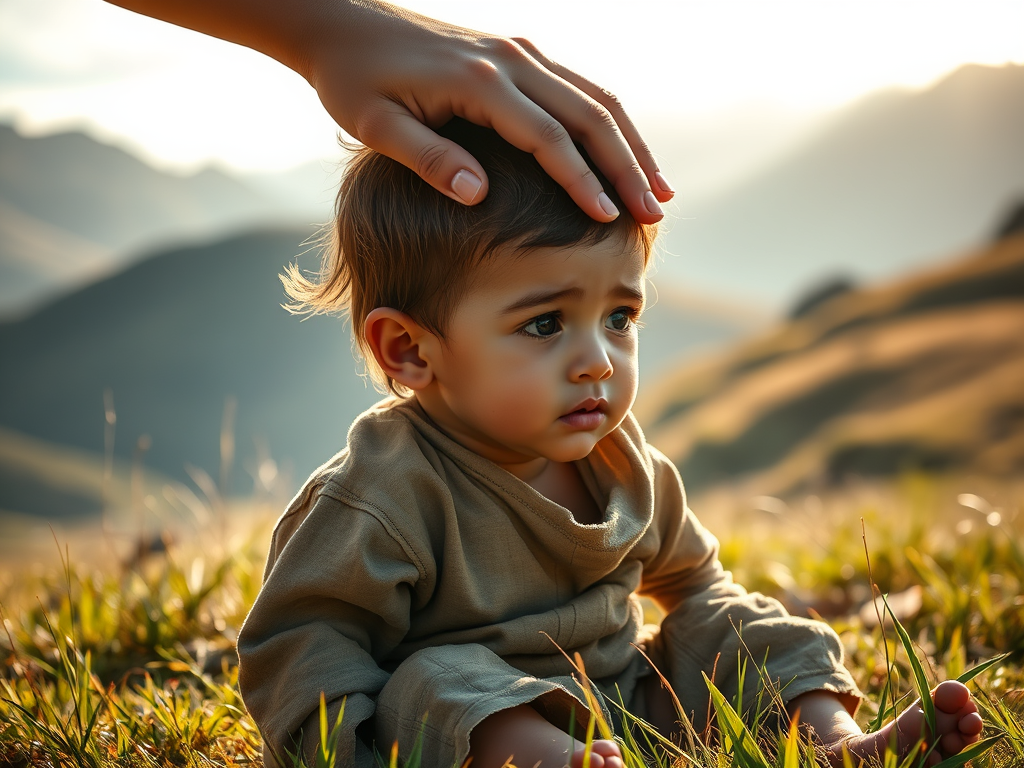
Ordain with Mercy and Compassion
We cannot reach every orphaned child, but we can change the lives of many by focusing on what truly works. Orphans don’t need your pity nor mine; they need consistency from us, and the rest takes care of itself.
Orphan children don’t need saviors; they need allies. They don’t need handouts; they need hands to hold until they can walk on their own. The most realistic way to help orphans is simple yet demanding: commitment, not convenience.

Leave a comment